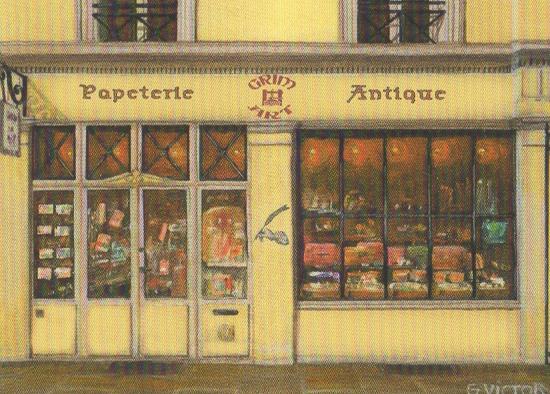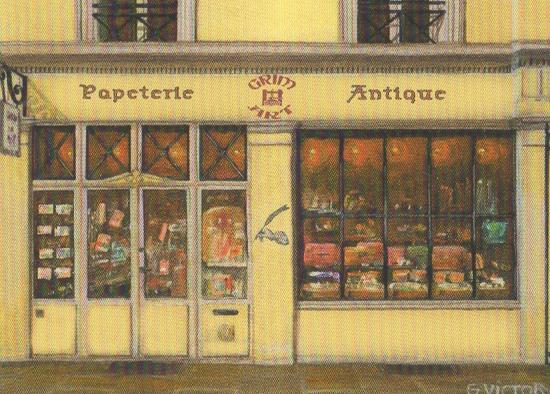
You may not know it, but the passage where your Grim'Art shop is located is steeped in history!
It is located in the Monnaie district which adjoins the Saint-Germain-des-Prés and Odéon districts, three districts which, together with Notre-Dame-des-Champs, form the 6th arrondissement of Paris; it is also part of the Latin Quarter.
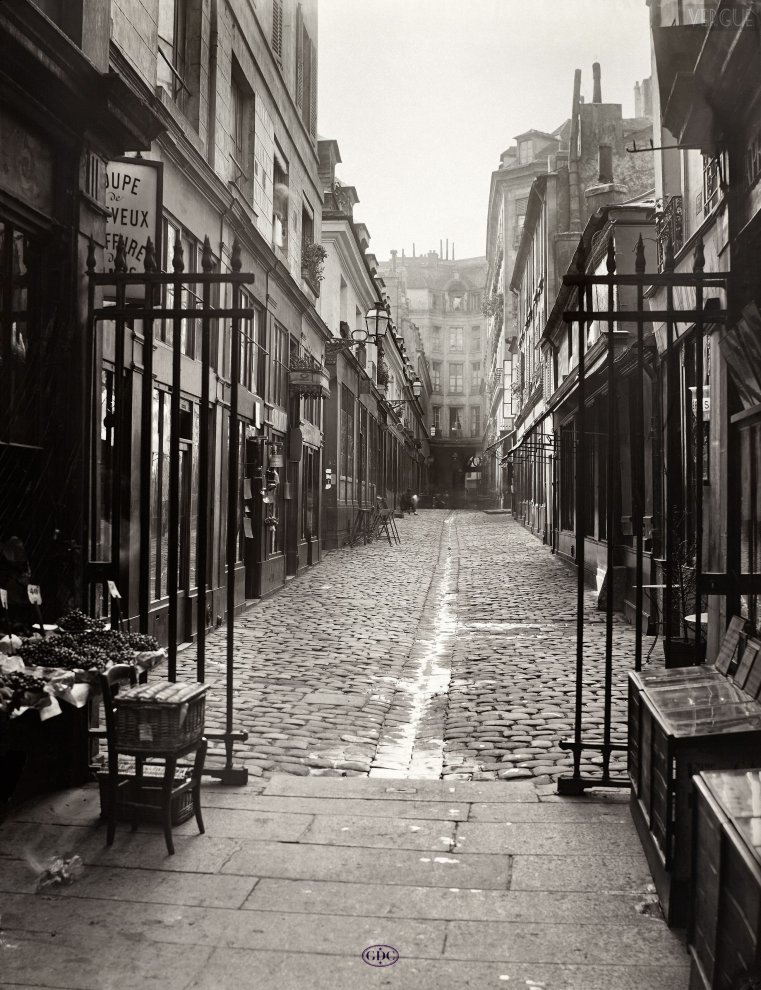
C. Marville, circa 1866
The shop is located in the courtyard of the Saint-André trade, laid out in 1730, in the end called the Saint André trade passage (covered by a glass roof in 1823).
A right-angled passage, opened between the rue de l'Ancienne-Comédie, the boulevard Saint Germain and the rue Saint-André-des-Arts: three historic streets dating from before the 18th century: the rue Saint-André-des-Arts was even laid out during the Middle Ages.
The passageway was built on former tennis courts, on the moats (filled in 1582) of the Philippe Auguste wall that delimited the city of Paris. https://fr.wikipedia.org/wiki/Enceinte_de_Philippe_Auguste
It was on Rue Saint-André-des-Arts that many historical figures resided, such as Louis XII, King of France, who lived at number 49 until he was 22, or Charles Baudelaire, who rented a room in the Hôtel d'Arras at number 30. Others also lived or worked there: http://www.parisrevolutionnaire.com/spip.php?article2383 and https://fr.wikipedia.org/wiki/Rue_Saint-André-des-Arts
Also, at 14 Rue de l'Ancienne Comédie, the building housing the first Théâtre-Français (now called Comédie-Française) was built in 1680.
The Rohan courtyard is also accessible from the Saint André Commerce courtyard.
But if we return to the Saint-André trading court, it is interesting to see that this passage is full of historical anecdotes:
- The writer and literary critic Charles-Augustin Sainte-Beuve lived at number 2.
- The base of a tower from King Philip Augustus's city wall, part of the 13th-century urban fortification system and the oldest wall protecting the city, can be seen in the Un Dimanche à Paris restaurant/chocolaterie at number 4.
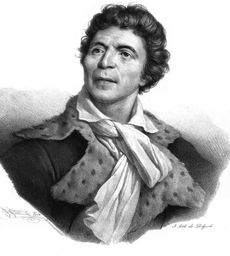
- At number 8 was the printing press of "L'Ami du peuple" by Marat, a French political newspaper from the revolutionary period.
-
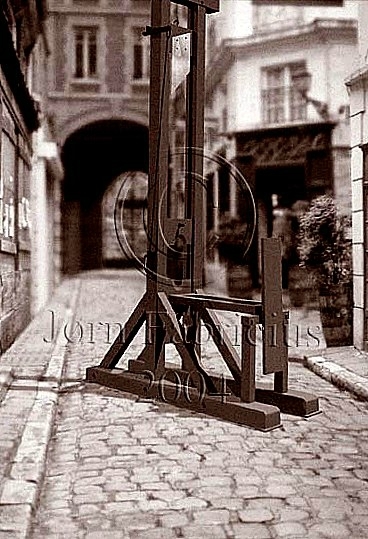
At number 9 Cour du Commerce was the workshop of harpsichord maker and inventory specialist Jean-Tobie Schmidt, who, along with Antoine Louis and Joseph Guillotin, developed the infamous killing machine: the guillotine . The first prototype was tested on sheep in the passageway, and Nicolas Jacques Pelletier, the first person condemned to the guillotine for "robbery with violence in a public place," was executed quickly and cleanly thanks to this machine in the Place de Grève. "The crowd, accustomed until then to capital executions that could sometimes last several hours and cause horrible suffering to the condemned, was disappointed by the speed and efficiency of this new machine and booed the executioner Sanson." (source Wikipedia)
-
Among the famous establishments of the court was Le Procope , the oldest café in Paris, founded in 1684. A café frequented by artists, politicians, and intellectuals, it was home to Montesquieu, Voltaire, Diderot, and d'Alembert, and later to Musset, Verlaine, Anatole France, Gambetta, Rousseau, George Sand, and many others. The Phrygian cap (the headdress of freedmen in Antiquity) was first displayed there, and the rallying cry for the attack on the Tuileries Palace on August 10, 1792, originated there.
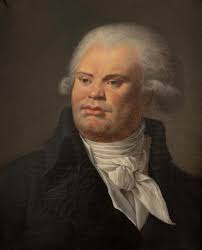
- At number 20: Georges Jacques Danton, a major figure of the French Revolution, moved in in August 1787 and remained until his arrest. This building was destroyed during the extension of Boulevard Saint-Germain.
So if you're keen on historical walks, this passage should be part of your itinerary!
And while you're at it, come and take a little stroll in the Grim'Art shop!
|